top of page
Search

Critical Signs Your Industrial Gearbox Needs Immediate Repair

  • Writer: Simple Site Company
    Simple Site Company
  • Oct 7
  • 5 min read

Imagine this: Your factory line hums along at full speed until a sharp screech echoes through the plant. The gearbox seizes up, halting everything in an instant. Downtime costs thousands per hour, and worse, it risks worker safety from flying parts or unstable machines.


Spotting trouble early can save you from these headaches. Industrial gearboxes handle massive power in tough settings, so ignoring small clues leads to big problems. This article covers key signs your industrial gearbox needs immediate repair, like odd sounds and leaks. We'll also look at root causes and ways to stay ahead of failures.


Understanding Industrial Gearboxes and Their Role


What Is an Industrial Gearbox?


An industrial gearbox takes power from a motor and changes it to fit the job. It boosts torque for heavy loads or slows speed for precision work. Gears inside mesh to transfer that force, while bearings keep shafts spinning smooth.


Cross-section of a gear mechanism with labeled parts: input shaft, helical gears, roller bearing, oil seal, lubrication sump, housing.

These boxes sit at the heart of machines in plants, mines, and power stations. Without them, conveyor belts stall and crushers stop. You rely on gearboxes daily, so watch for wear that cuts their life short.


Why Gearbox Maintenance Matters


Skip checks, and your gearbox might fail when you least expect it. That means lost output and repair bills that skyrocket. One study from the American Gear Manufacturers Association shows regular care can double equipment life.


Set up inspections every few months based on use. Check oil and listen for changes during runs. This approach beats fixing a full breakdown, which often costs five times more.


Common Causes of Gearbox Wear


Overload pushes gears beyond limits, grinding teeth down fast. Dirt or water sneaks in, turning clean oil into sludge that blocks flow. Poor lube lets parts rub dry, sparking heat and damage.


In dusty factories or wet mines, these issues hit harder. Scan for cracks or chips on gears during shutdowns. Catching them early stops small dents from becoming total wrecks.


Unusual Noises Indicating Gearbox Issues


Grinding or Whining Sounds


A grind like rocks in a blender means gears don't line up right. Worn edges scrape metal on metal, wearing spots deeper. Shut down quick and call an expert to avoid worse harm.


These sounds come from bad alignment or chipped teeth. Stand back with ear protection and note when it happens. Pros use tools to fix the mesh without full teardown.


Close-up of a worn metal gear with visible scratches and blackened areas, set against a dark background, highlighting texture and wear.

Clunking or Banging Noises


Clunks signal loose bolts or failing bearings that slap around. Each hit jars the whole setup, risking cracks. Grab a vibration meter to pinpoint the spot.


Ignore bangs, and parts fly apart in seconds. Record the noise on your phone for the repair team. They trace it to loose fits or broken rollers inside.


High-Pitched Squealing


Squeals often point to low oil or hot spots from friction. Dry surfaces scream until you add lube or cool it down. Check levels weekly if your machine runs long shifts.


Good oil keeps things quiet and smooth. Change it every 500 hours or so, depending on load. This simple step cuts noise and extends gear life by years.


Visible and Tactile Warning Signs


Excessive Vibration


Vibration feels like a phone on buzz, but way stronger. It shows imbalance from bent shafts or loose mounts. Steady shakes wear seals and gears over time.


Bolt on sensors to track levels daily. Set a baseline when new, then watch for jumps over 10% normal. Fix alignment to quiet it before cracks form.


  • Use a hand-held meter for quick reads.

  • Check mounts for play.

  • Tighten or replace as needed.


Leaks and Oil Contamination


Oil spots under the box mean seals have gaps from age or heat. Dark or gritty lube hides metal bits from grinding insides. Wipe it up and test a sample for clues.


Pull a bit of oil with a clean tube, no skin contact. Look for shiny flecks that spell big trouble. Clean filters help, but replace seals fast to stop more loss.


Overheating Components


Touch the case after a run—if it's too hot to hold, friction builds inside. Poor vents or thick oil trap heat, cooking parts. Aim for under 90°C on most setups.


Scan with a thermal camera to spot hot gears. Clean fans and add fins if air flow lacks. This keeps temps steady and prevents warp.


Performance and Efficiency Red Flags


Reduced Output Speed or Torque


Your machine slows under normal load? Gears slip or bearings drag, cutting power. Log speeds hourly to catch drops early.


This hits lines hard, backing up orders. Match readings to load charts—if torque falls 15%, inspect now. It saves hours of debug later.


Increased Energy Consumption


Bills climb when friction steals power. Worn parts make motors work harder for less output. Run an audit with a meter to see the spike.


Align shafts and balance loads to ease the strain. A 20% jump in draw often ties to bad lube. Fix it to trim costs and boost speed.


  • Track amps before and after shifts.

  • Note patterns in heavy use.

  • Adjust belts for even pull.


Frequent Shutdowns or Alarms


Alarms blare from sensors hitting limits on temp or vibe. Logs show patterns like overload spikes. Dig into codes to find the trigger.


Link boxes to apps for instant pings on your phone. Clear faults step by step, starting with basics like oil. This cuts unplanned stops by half in many plants.


When to Call in Professionals and Preventive Strategies


Diagnostic Tools and Initial Checks


Start with eyes and hands: Look for dents, feel for heat. A stethoscope picks up hidden rattles without opening it up. An infrared gun spots warm leaks from afar.


These steps flag issues but don't fix them. Pros bring scopes and testers for deep dives. Always tag out power first for safety.


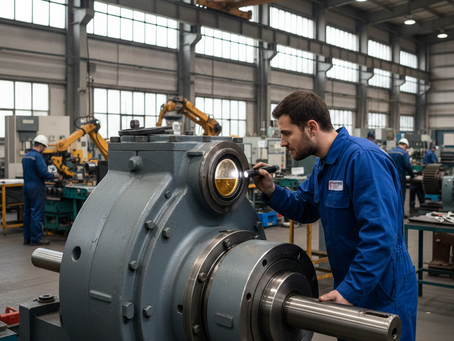
Man in safety gear measuring a gear with calipers in a workshop. He looks focused. Background: large windows and machinery.

Signs Requiring Immediate Repair


Severe shakes that blur vision or bangs like hammers mean stop now. Total silence after noise hints at seized parts. Have a tech's number handy for rush calls.


Minor vibes might wait a day, but leaks that soak floors demand action. Weigh risks—better safe than a week offline. Pros spot hidden damage you miss.


  • Shut down if oil pressure drops zero.

  • Call if torque halves suddenly.

  • Evacuate if smells burn.


Long-Term Prevention Tips


Roll out checks every 250 hours, more in dirty spots. Train your team to spot squeaks or shakes on the floor. Hire certified techs for yearly overhauls.


Predict fails with data logs from sensors. Swap oil on schedule and filter often. This plan stretches life to 10 years or beyond, dodging big bills.


Keep Your Operation Running Smoothly


Unusual noises like grinds and squeals, plus vibes, leaks, and slow output, scream for repair on your industrial gearbox. Miss them, and downtime drains cash while endangering folks. Key points: Watch close, use tools for early catches, and fix fast.


Routine peeks and smart lube keep things running smooth. Act on these signs today—grab your checklist and inspect that box. Your plant will thank you with steady shifts and safe ops.


Don't let a minor issue become a major breakdown. For reliable, expert gearbox repair and 24/7 emergency service, contact Motion Gear Works at (713) 585-5245. We get your gears back in motion.


Comments


bottom of page